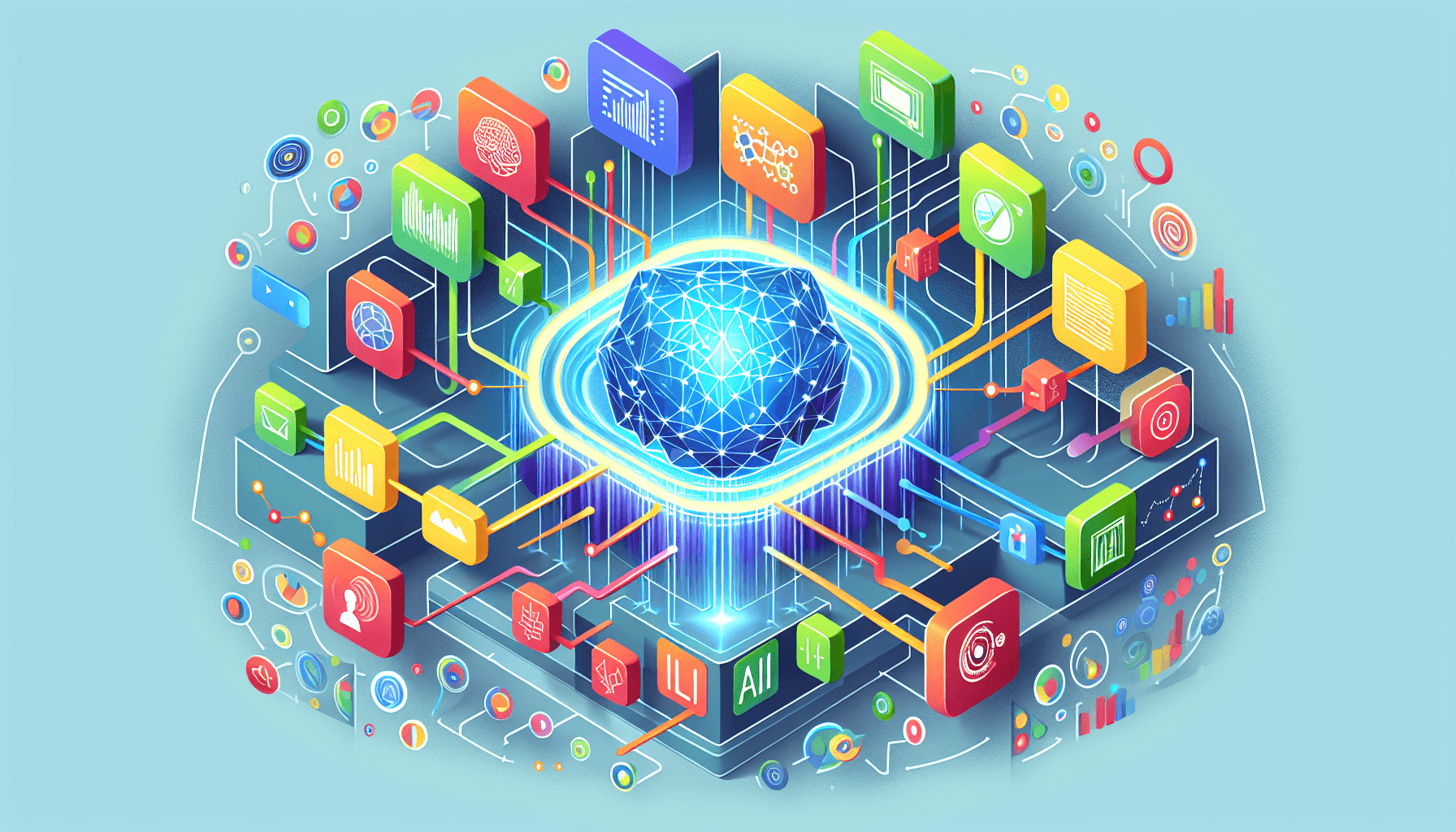
Multi-Modal Data AI: Revolutionizing Data Handling for Modern Applications
Introduction
In the digital era, data is not just ubiquitous; it is diverse and complex. Handling multiple types of data efficiently has become crucial for businesses and technologies aiming to stay ahead in an information-driven world. Multi-Modal Data AI, with its adeptness at handling diverse data forms such as images, text, files, and streaming data, is emerging as a game changer. This sophisticated technology seamlessly integrates varying data modalities, offering a cohesive approach to data handling and data processing. A deeper exploration of this innovation reveals its potential to transform modern applications extensively.
Background
The Evolution of Data Processing Technologies
Data processing has undergone significant transformations, from simple textual data handling to the present-day handling of complex, multi-modal data environments. Early technologies focused on discrete data forms, but the modern landscape demands integration across multiple data types.
– The Rise of Multi-Modal Data: As digital ecosystems evolve, so do the demands for integrating distinct data forms—be it text documents, images, or real-time streaming data. Multi-modal data handling has thus become indispensable for holistic data processing.
– Overview of Model Context Protocol (MCP) Servers: Central to multi-modal integration are MCP servers, which facilitate the seamless interchange of data across different modalities. These servers act as a backbone for real-time interaction between disparate data sources, thereby optimizing processing capabilities. For an in-depth look at MCP servers’ role in multi-modal data handling, see Hackernoon’s article.
Trend
Current Trends in Data Handling with Multi-Modal Data AI
The landscape of data handling is increasingly reliant on AI to enhance efficiency and overcome the challenges posed by multi-modal data.
– Real-Time Data Processing: There is a marked shift towards real-time data interactions, driven by the need for immediate insights and decision-making. For instance, sectors like finance and healthcare increasingly rely on live streaming analytics for up-to-the-minute data procession.
– Industry Examples: Various industries utilize Multi-Modal Data AI for enhanced efficiency. In healthcare, AI can simultaneously process vast streams of clinical data, improving diagnostic accuracy and patient outcomes. These developments underscore the importance of adopting AI-driven multi-modal data systems for sustained competitiveness and innovation.
Insight
Challenges and Solutions in Implementing Multi-Modal Data AI
Implementing Multi-Modal Data AI is fraught with challenges, but with the right strategies, these can be effectively managed:
– Challenges: Integrating different data types poses challenges, such as data standardization, synchronization, and ensuring data quality across modalities. These are compounded by technical infrastructure requirements and resource allocation.
– Solutions and Best Practices: Solutions involve robust data governance frameworks and leveraging models like MCP for efficient integration. Case studies, like those involving MCP implementations, demonstrate that success hinges on a strategic approach to technology integration, emphasizing scalability and adaptability. More insights can be gleaned from Hackernoon.
Forecast
The Future Landscape of Multi-Modal Data AI
The future of Multi-Modal Data AI is poised for thrilling advancements, reshaping how data is processed and utilized:
– Evolving Technologies: AI technological advancements are expected to enhance the capabilities of MCP servers, enabling more sophisticated file processing and streaming data handling. Future applications might see AI effectively emulate human-like understanding of complex, multi-modal information.
– Anticipated Advancements: We anticipate advancements in AI algorithms that will lead to more nuanced integration and interpretation of mixed data types. This evolution will likely drive unprecedented efficiency levels, facilitating innovations across industries.
Call to Action
As data complexities grow, the impetus is on businesses and technologists to embrace Multi-Modal Data AI. This integration not only enhances data handling efficiency but also propels innovation and competitiveness.
– Getting Started: Individuals and organizations are encouraged to dive deeper into understanding and implementing these technologies, starting with resources that outline strategies for integration, such as the articles linked above.
– Further Learning: Engage with thought leaders like Mayank Choubey and explore how Multi-Modal Data AI can enhance your specific operational needs.
Embarking on this journey requires not only an understanding of advanced data technologies but a commitment to continuous learning and adaptation. With Multi-Modal Data AI, the potential to revolutionize data handling is limitless.