The Fall of GPT-5: Understanding Its Shortcomings and Future Implications
Introduction
As artificial intelligence becomes an increasingly integral part of our technology landscape, every new development is met with intense scrutiny and anticipation. Among these is the emergence of GPT-5—a significant topic of discussion within AI circles today. Launched with promises of revolutionary advancements, GPT-5 was expected to build on its predecessors and achieve new milestones, particularly in achieving ‘PhD-level intelligence.’ However, it has instead been viewed as a failure in several quarters, inviting disappointment and criticism. This article unpacks what went wrong with GPT-5, discusses the broader trends within AI developments, and contemplates the future of model innovation.
Background
The AI sector has experienced rapid advancement, with each new model raising the bar of what artificial intelligence can achieve. The progression from GPT-2 to GPT-3 added layers of sophistication and capabilities, making each subsequent release highly anticipated. GPT-5 was set to be no exception. Industry insiders and enthusiasts alike heralded it as the next logical step toward creating truly autonomous and nuanced machine learning models capable of handling complex tasks with a higher degree of dexterity and understanding.
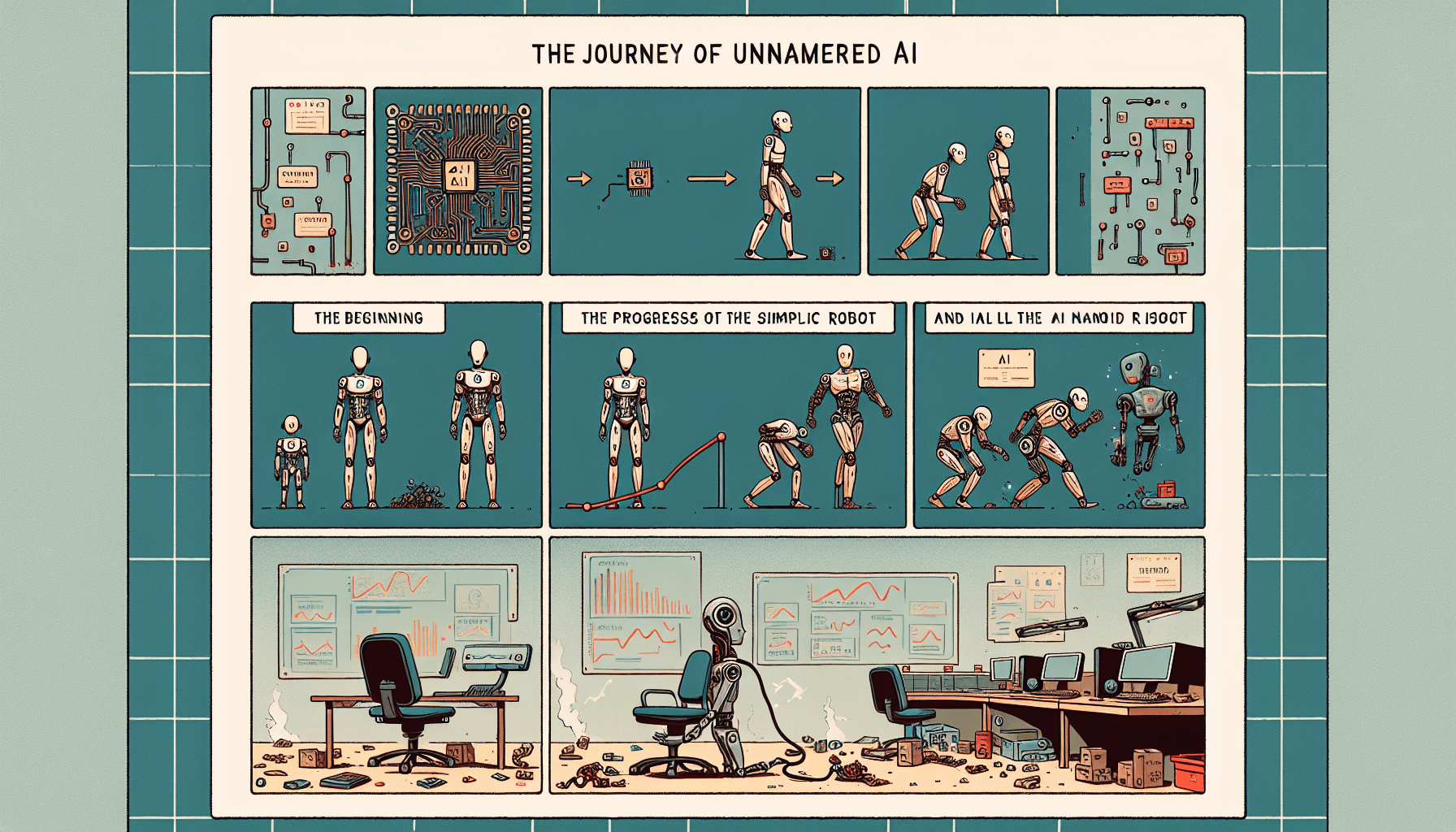
Despite the anticipation, GPT-5’s debut failed to justify its hyped expectations. Like an artist trapped in the shadow of its own hype, GPT-5 stumbled where it was expected to soar, leading critics and users to question whether technological evolution is truly linear or more akin to a rocky path filled with ups and downs.
The Trend in AI Developments
AI technology is characterized by both rapid innovation and fluctuating public perception. Current trends indicate a growing public interest in, and scrutiny of, AI developments. This is where GPT-5 comes into the fray, having been recently critiqued on the WIRED Podcast \”Uncanny Valley.\” Hosts Zoë Schiffer and Jake Lahut dissected user dissatisfaction and emphasized that expectations far exceeded the reality delivered by GPT-5 (WIRED Podcast). They discussed how users felt betrayed by the promise of ‘PhD-level intelligence’ that the model purportedly embodied but did not deliver.
Such criticisms highlight a crucial trend—AI models are becoming more baked into societal structures, necessitating their success not merely as technology but as public-facing entities that fulfill their advertised potential. The presentation and community feedback loops have never been more crucial for model acceptance and success.
Insights from Model Failures
Examining the reception of GPT-5 provides us with several key lessons. The model’s setback underscores the necessity of aligning AI developments with user expectations and the communicated capabilities of these innovations. It’s much like the classic tale of the tortoise and the hare; boasting superior speed is futile if actual performance falters along the way.
The user feedback surrounding GPT-5 was overwhelmingly about its discrepancies in understanding nuanced prompts and delivering coherent outputs. This experience has emphasized the importance of finding equilibrium between ambitious AI design goals and pragmatic, user-aligned features.
Forecast for Future Models
Looking to the future, the AI community must derive lessons from the limitations of GPT-5 and apply them to the design and implementation of subsequent models. There is ample room for developments that take user critiques into account, refining model training processes, and perhaps adopting more iterative rollouts to maintain quality and performance standards.
Future AI developments will likely focus on enhancing the effectiveness of natural language processing, improving general intelligence capabilities, and potentially revolutionizing cross-discipline applications in fields like healthcare and finance. By doing so, future models can avoid the pitfalls encountered by GPT-5 and position themselves better in the vast landscape of artificial intelligence concerns and innovations.
Call to Action
Understanding the rise and fall of technological innovations like GPT-5 is crucial for anyone interested in the future of AI. As we await the arrival of more advanced models, let’s engage in a broader conversation about these developments. What do you envision for the future of AI? How should AI innovators balance ambition with deliverable reality? Join the discussion by sharing your thoughts on social media and connect with a community contemplating the implications of these technologies for our shared future. Engage with these pressing topics and help shape the AI models of tomorrow.
For further insights into these issues, explore the conversation in the WIRED Podcast’s episode on GPT-5’s reception, and consider how model failures can pivot into meaningful growth (WIRED Podcast).