The Imperative of AI Safety: Navigating Future Risks and Regulations
Introduction
Artificial Intelligence (AI) is no longer a futuristic concept relegated to the pages of science fiction; it stands at the very threshold of modern innovation, branching into diverse sectors from healthcare to finance. As we embrace this disruptive force, one critical concern looms large: AI Safety. At its core, AI Safety is about ensuring that autonomous systems function in ways that are beneficial and do not pose unintended threats. This importance starkly manifests in industries like cybersecurity, where anxiety over AI technologies is mounting. As businesses harness AI’s capabilities, there’s an echo of unease about its potential to forge new vulnerabilities. A delicate balancing act emerges, necessitating a conversation around AI Safety — a conversation that is not just necessary but urgent.
Background
Over recent years, AI technologies, especially autonomous systems, have surged, unlocking possibilities previously imagined. Yet, with great power comes equally significant responsibility. Consider the intoxication of a self-driving vehicle maneuvering through city chaos — awe, intricately allied with unease. The stark implications of such advancements can’t be overstated. In fact, according to a survey highlighted by Artificial Intelligence News, a staggering 81% of Chief Information Security Officers (CISOs) in the UK have voiced concerns over AI applications like the Chinese chatbot DeepSeek (source). These reservations underpin the urgent clarion call for robust regulations—frameworks designed to ensure these technologies do not devolve into Pandora’s boxes of chaos.
Trend
It’s tempting to tout AI’s virtues—optimization of processes, enhanced analytical capabilities, and even predictive modeling. Yet, juxtapose these benefits against the emergent cybersecurity concerns that plague corporate leaders. It is alarming when 60% of security professionals predict increased cyberattacks directly tied to AI’s expansion. This forecast is not some flight of fancy; it reflects a tangible trepidation. In fact, over one-third of CISOs are prohibiting the use of specific AI tools due to inherent risks (Artificial Intelligence News).
Rising anxieties mirror the reality that while AI adoption proliferates, so does the specter of vulnerabilities, drawing an eerie parallel to unchecked proliferation of any transformative technology without due diligence.
Insight
Faced with these challenges, organizations are not standing on the sidelines. There’s an uptick in investing in AI specialists and fortifying executive education, with 84% of companies prioritizing AI expertise by 2025. These are strategic offenses against the backdrop of strategic defense. But the sentiment remains mixed — a telling 42% of CISOs consider AI more a threat than an ally.
To harness AI’s potential, organizations must initiate deliberate safety measures. This means integrating AI assurance frameworks, scaling privacy protocols, and embedding risk management acumen within operational seams. As the shell of naiveté crumbles, the era demands that companies dance nimbly between innovation and precaution, tasking leaders with the duality of embracing AI against a backdrop of vigilant safety protocols.
Forecast
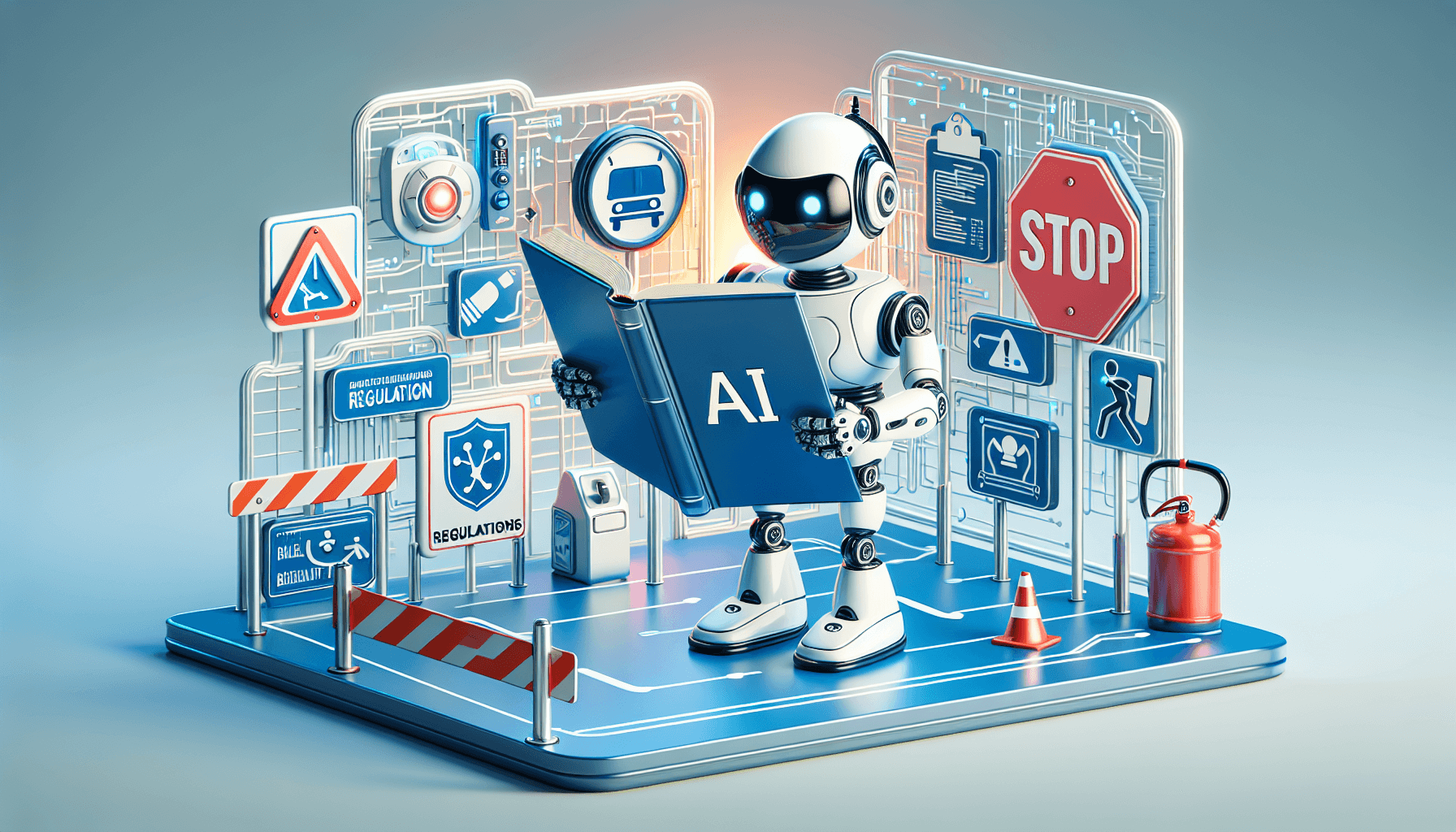
Peering into the horizon, the dialogue around AI Safety will only intensify. The need for comprehensive regulation—crafted not with fear but with foresight—will steer the AI safety discourse. As threats evolve, so too must our safety measures. Picture a future where AI technologies are governed by adaptable, ethically-driven regulations, akin to traffic rules ensuring the smooth flow of autonomy within controlled boundaries.
As this burgeoning tech realm unfolds, the decisive roles of policymakers, industry leaders, and ethicists will be pivotal. Without such oversight, the promise of AI could metamorphosize—from a tool of empowerment to a harbinger of unease.
Call to Action
It is incumbent upon us to champion the cause of robust AI regulation within our organizations. Leaders, it is time to dissect the enigma of AI, unearthing susceptibilities and advocating for protective measures. Consider engaging experts, participating in AI safety forums, and ultimately making prudent decisions that favor long-term security over short-term gains.
Readers, share your experiences with AI—what triumphs have you witnessed and what trepidations have surfaced? Let’s galvanize a conversation, prioritizing safety in our shared technological journey.
By reflecting, critiquing, and acting upon these issues, we can craft a future where AI’s illuminate potential is enhanced rather than eclipsed by its latent threats.